
WHAT IS PET THERAPY?
WHAT IS PET THERAPY?
“Dogs have a way of finding people who need them, filling an emptiness we don’t even know we have.” – Thorn Jones
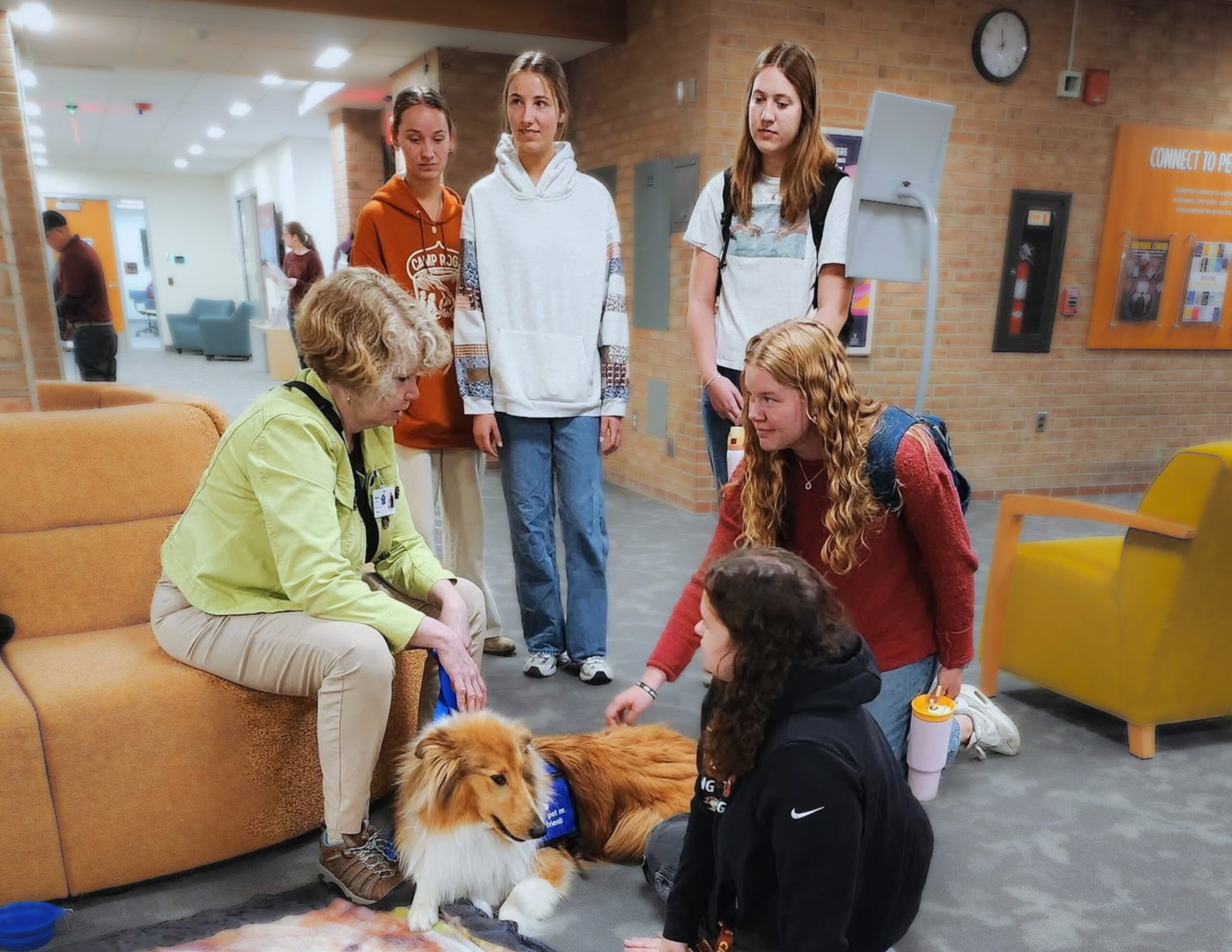
What is Pet Therapy?
Pet therapy is a broad term that includes animal-assisted therapy (AAT) and other animal-assisted activities (AAA). AAT involves using animals to assist individuals with health or mobility issues by participating in their therapy sessions. AAA participation is meant to provide comfort and enjoyment for all age groups.
Who Can Benefit from Pet Therapy?
Therapy dog visits can help reduce anxiety, depression, stress, pain, and other physical and emotional challenges. People who may benefit from therapy dog visits include:
- People receiving cancer treatment
- People in long-term care or senior care facilities
- Seniors with dementia or brain injuries
- Veterans with post-traumatic stress disorder
- Children with autism or Down Syndrome
- Adults with learning disabilities
- Victims of physical or mental abuse
- And many others
Therapy dogs provide comfort and emotional support not only to the individuals they visit, but also to family members, caregivers, and facility staff. Beyond healthcare settings, therapy dog visits also benefit people in schools, colleges, libraries, workplaces, and other community organizations.
“Dogs have a way of finding people who need them, filling an emptiness we don’t even know we have.” – Thorn Jones
What is Pet Therapy?
Pet therapy is a broad term that includes animal-assisted therapy (AAT) and other animal-assisted activities (AAA). AAT involves using animals to assist individuals with health or mobility issues by participating in their therapy sessions. AAA participation is meant to provide comfort and enjoyment for all age groups.
Who Can Benefit from Pet Therapy?
Therapy dog visits can help reduce anxiety, depression, stress, pain, and other physical and emotional challenges. People who may benefit from therapy dog visits include:
- People receiving cancer treatment
- People in long-term care or senior care facilities
- Seniors with dementia or brain injuries
- Veterans with post-traumatic stress disorder
- Children with autism or Down Syndrome
- Adults with learning disabilities
- Victims of physical or mental abuse
- And many others
Therapy dogs provide comfort and emotional support not only to the individuals they visit, but also to family members, caregivers, and facility staff. Beyond healthcare settings, therapy dog visits also benefit people in schools, colleges, libraries, workplaces, and other community organizations.
THERAPY DOGS VS. SERVICE DOGS & ESAs
Learn the important differences:
THERAPY DOGS
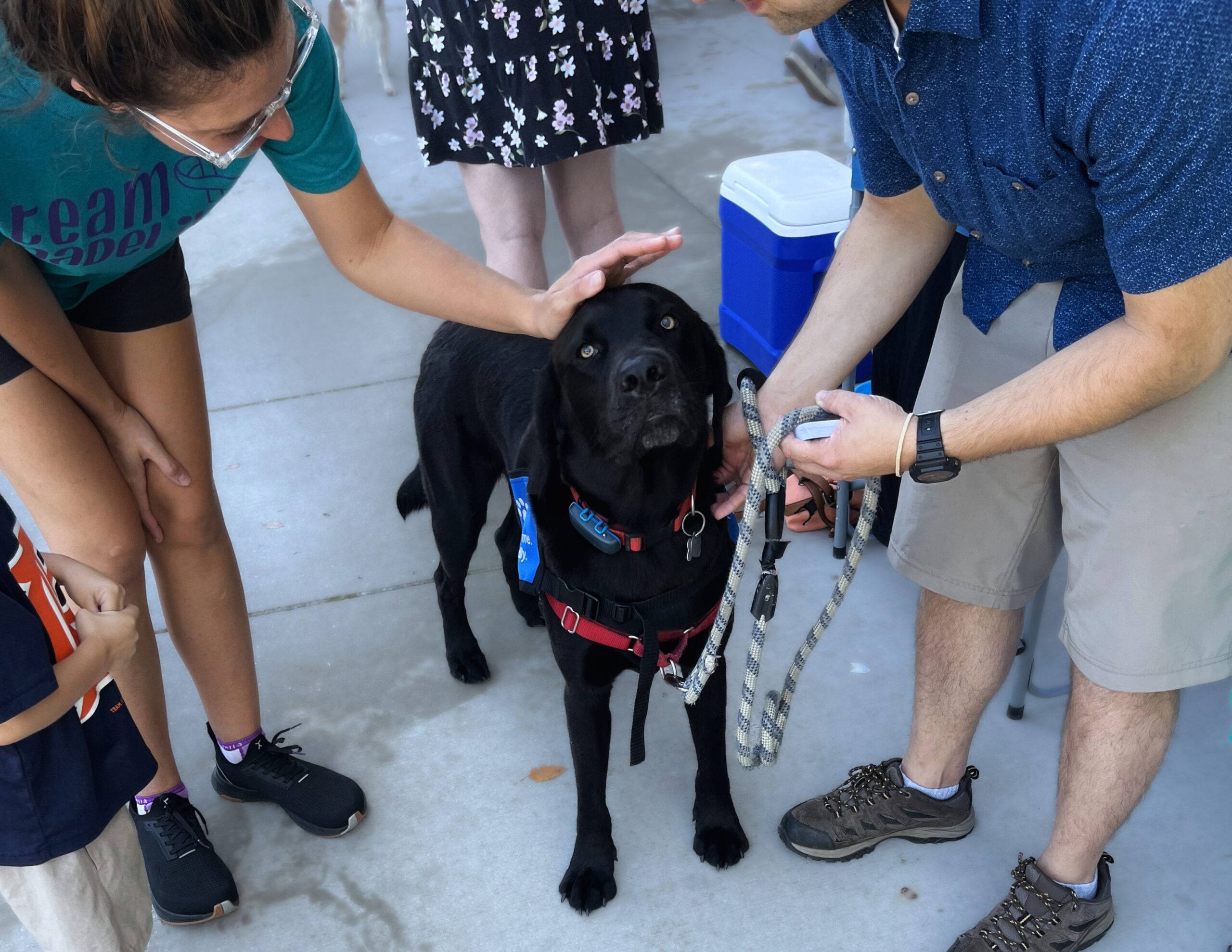
Therapy dogs are trained to provide social or therapeutic interaction with various populations in need of emotional, physical, or psychological support. Therapy dogs are not included under the American Disabilities Act. Petting and contact are what therapy dogs are all about.
SERVICE DOGS

Service dogs are trained to perform specific behaviors to assist an individual owner with activities of daily living. These dogs have access to public places and transportation under the American Disabilities Act. Petting service dogs are discouraged while they are assisting their owners.
EMOTIONAL SUPPORT ANIMALS

Emotional Support Animals provide affection and companionship for individuals with various mental or emotional conditions. An emotional support dog is not trained to perform specific behaviors to assist with a disability. ESAs are not included under the American Disabilities Act.
FAQ's
Have a Question?
Reach out!
How long are your classes?
Our classes are held on Wednesday evenings for 2 hours weekly, for 8 weeks. In order to graduate, teams must attend a total of seven classes and must be present at weeks three and seven.
For the 2026-2027 test and class schedule, please click here.
Can I bring my dog to work with me?
West Michigan Therapy Dogs are not permitted to accompany handlers to their place of employment while representing WMTD or wearing a WMTD vest. Therapy dogs are trained and evaluated to provide comfort and support during approved volunteer visits, but they do not have public access rights and are not considered service dogs under the Americans with Disabilities Act (ADA). Any exceptions would need to be approved directly by the employer or facility and would be outside the scope of WMTD volunteer activities.
What is the membership renewal process?
Our membership renewal process occurs every 2 years. Teams must pay the renewal fee and pass the recertification test with their dog.
What are the costs involved in joining?
Our 8 week Therapy Dog Training Class is $170. Prescreen testing (required before being scheduled for class) and recertification (required every 2 years for membership renewal) are $30.
What if I go away for the winter or summer, can I still join?
We have many teams that are away for extended periods of time. We ask that you visit 1 hour per month, but average 12 hours per year if you are gone.
Is my dog too young or old to join?
The only age restriction is that your dog must be at least 1 year old before the first day of class. We also ask that you live with your dog for at least 6 months before your prescreen evaluation. Our main requirements are based on the temperament of the dog, not age; we accept all breeds, mixed breeds, and rescues.
What areas do you visit? How far away do you provide therapy?
We volunteer at many different facilities within 5 counties surrounding the Greater Grand Rapids area.
How can I get your dogs to visit my facility?
Complete a Request for Visit form using this link.
What vaccinations are required for my dog in order to register for WMTD training?
The following are required before the prescreen test and must be kept current and on file for the duration of the training class and active membership:
- Rabies Vaccine (RV)
- Distemper, Adenovirus, Parainfluenza,
Parvovirus (DAPP) - Leptospirosis
- Bordetella Canine Influenza Virus
- Negative fecal result on file with WMTD every 6 months.
What dogs can be therapy dogs?
Any breed or age dog has the potential to be a therapy dog. Your dog must know basic obedience, exhibit good manners in public, and consistently demonstrate positive interactions with other dogs and people.
What are membership requirements?
You can review a full list of our guidelines for membership here.
Where can I volunteer with my dog?
Our teams volunteer at many places such as schools, nursing homes, hospitals, libraries, and residential facilities throughout West Michigan. Requirements to participate in a therapy dog program vary from facility to facility. Some may require additional orientations, background checks, health certificates, and photo IDs for you and/or your dog. For a list of places we visit, click here.
How do I get started?
Prospective members must attend a prescreen test, an 8-week training class, and three shadow visits to attain full certification. For more details about getting started, click here.
Is there a difference between service dogs and therapy dogs?
Therapy Dogs are trained to provide social or therapeutic interaction with various populations in need of emotional, physical, or psychological support. Service Dogs are trained to perform specific behaviors to assist an individual owner with activities of daily living. Emotional Support Dogs provide affection and companionship for individuals with various mental or emotional conditions. To learn more, click here.
Are there age requirements for the handler?
Handlers 18 years or older may volunteer with West Michigan Therapy Dogs. Junior handlers are allowed at the age of 16 and must be accompanied by a trained parent or trained responsible adult at all times during visits. Senior adult volunteers are also encouraged to participate.
Is there a difference between certification and registration?
Certification means that you and your dog have passed the prescreening test, gone through our training course, passed the certification test, and are eligible to volunteer as a WMTD team. Registration means that you and your dog are registered for our training classes or that you are registered to volunteer at one of our programs.
What dogs are not eligible for WMTD membership?
- Dogs that are fed a raw diet (including BARF diets)
- Dogs that have had previous training in or
participate in bite work and/or protection training - Dogs that are wolf hybrids, in compliance with the State of Michigan Laws
- Dogs that are under 1 year old, or those who have been owned by or housed with the handler for less than 6 months
- Dogs that are active service dogs or emotional support dogs
- Dogs that are not well socialized with other dogs
- Dogs who are food aggressive
Can I volunteer with another family member?
If another family member is 18 or older, they must register and pay for the class separately. Each participant will be individually tested with their dog following the Training Class.
Family members ages 16 or 17 may attend the class as junior handlers. Individuals under age 16 are not eligible to participate.
WHAT IS PET THERAPY?
Pet therapy is a broad term that includes animal-assisted therapy (AAT) and other animal-assisted activities. AAT involves animals to help individuals, many with health problems, to cope or recover, whether it’s cancer, mental health issues, physical disabilities, and more. Animal-assisted activities are volunteer-based and meant to provide comfort and enjoyment to senior citizens, children, and others.
BECOME A VOLUNTEER
West Michigan Therapy Dogs, Inc. (WMTD) is a group of volunteers who provide Animal Assisted Activities to various groups in Western Michigan. Our services are free, and we do not accept monetary reimbursement for any of the services our members provide.
DONATE
We are a 501(c)(3) organization, and donations help us continue growing and reaching our goals. If you are interested in supporting our mission so we can serve more people in West Michigan, consider donating.